Choose a fixed background
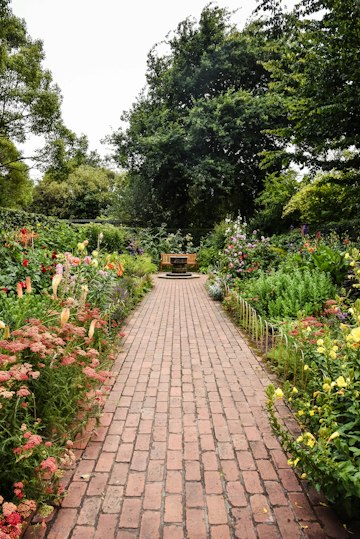
Look at the wall, hedge, fence or distant view behind the proposed flowers. A color pairing that looks crisp on white paper may look very different against warm brick or dense green leaves. RHS perennial guidance describes the wide range of colors available, but the choice remains specific to your garden. Pick one normal viewing point and take an unfiltered photograph. Include the background that the flowers will share rather than cropping it away.
Compare suitable plants in the same season
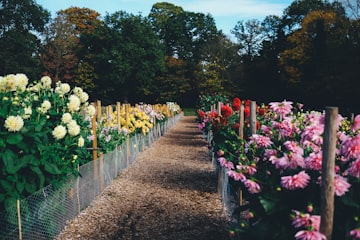
Choose candidates that can grow in compatible conditions and have a realistic period of overlap. A collection of favorite flower photographs can conceal the fact that its subjects bloom months apart. Use named varieties and reliable growing information, then check mature size and local suitability. Test a small group or compare flowering pots temporarily in a suitable position. Do not sacrifice the plants’ requirements simply to reproduce a palette from a screen.
Judge the relationship at normal distance
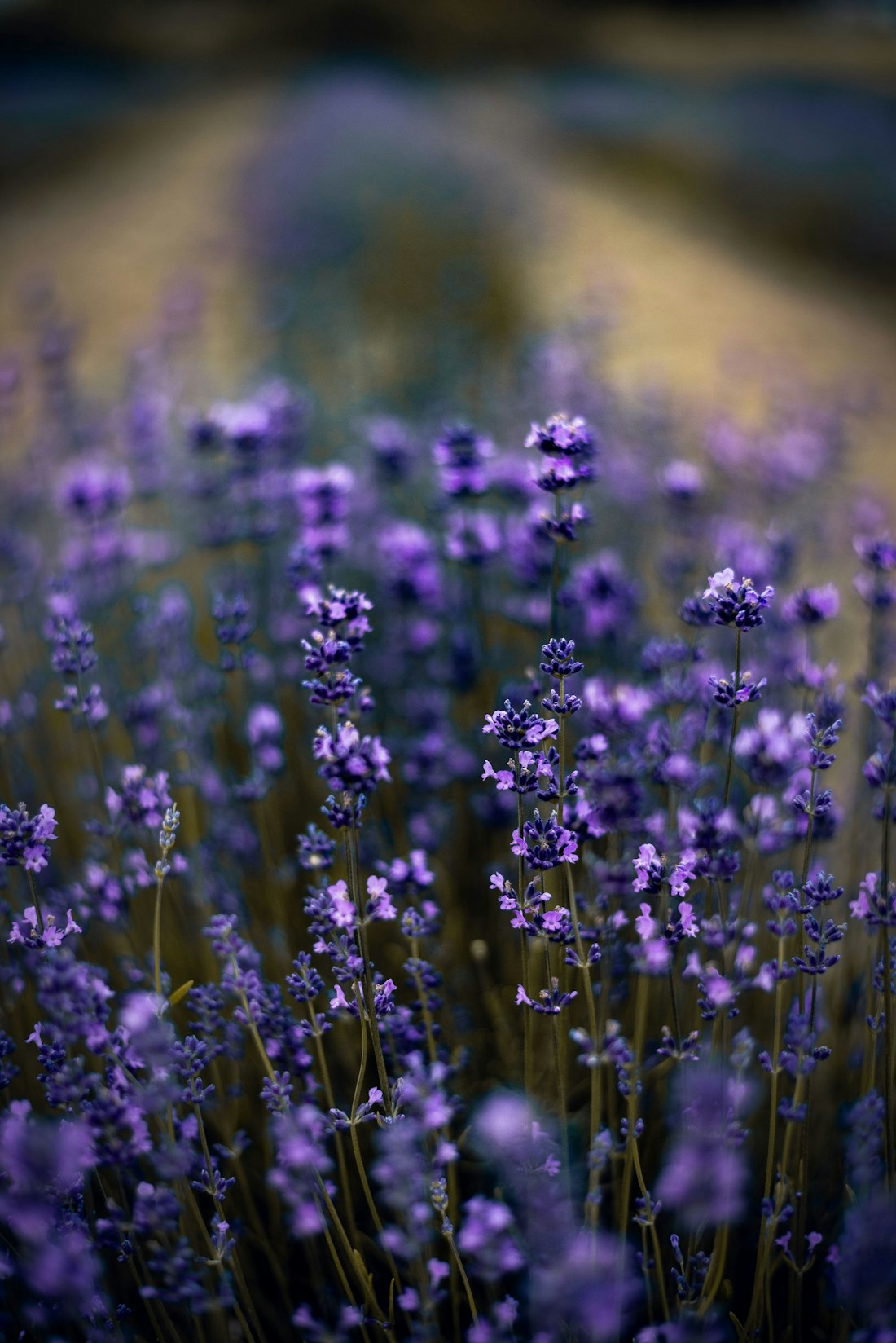
Stand back where you will actually see the planting. Notice whether one color disappears, whether leaf shapes provide useful separation and whether the combination remains pleasing when a flower starts to fade. Make a note of your own response without turning it into a rule everyone must follow. Keep one photograph and the cultivar names for future planting. A successful small trial can guide a wider border, while an unsuccessful pairing costs relatively little space or maintenance.
RHS: how to grow perennial plants ↗
This article combines general educational guidance with original planning exercises. It does not claim first-hand field testing or an endorsement from the linked organization. Sources checked October 2026.