Begin with the space you have
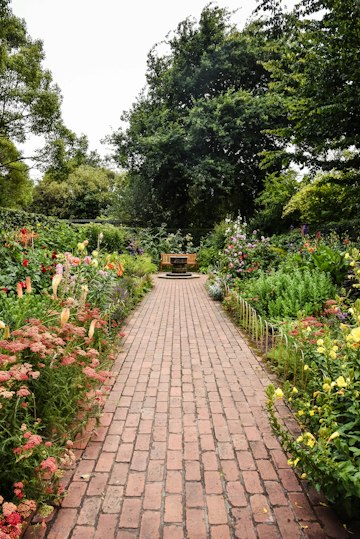
A border plan is most useful when it describes a real place. Sketch the outline, note how much direct sun you observe, and identify the route you use to reach the plants. Mark features that cannot easily move. A retrospective of a 2024 planting plan can help you see the original intention, but the plan must be reassessed against today's plants and conditions.
Give each part of the year a job
Create three columns for the locally relevant early, middle and late flowering periods. This is a design exercise, not a universal planting calendar: seasons and suitable plants differ by location. Add candidate plants only after checking their requirements and expected performance in your region. Leave room for foliage and structure instead of asking flowers to do every job.
Repeat a few decisions
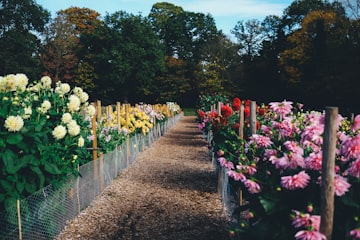
A small border can look disjointed when every plant is a different experiment. Try repeating a color, form or small group. Use mature dimensions when thinking about spacing, and preserve access for maintenance. A plant that looks modest in a nursery pot may occupy much more space later. Keep the first version simple enough that you can identify what is working.
Photograph the gaps
During the growing season, take a picture from the same viewpoint and note what is absent as well as what looks good. Avoid buying immediately to fill every temporary gap. At the end of the season, compare the pictures with the original intention. Change the smallest number of things needed to improve the sequence.
This article combines general educational guidance with original planning exercises. It does not claim first-hand field testing or an endorsement from the linked organization. Sources checked October 2026.