Start with the cultivar’s habit
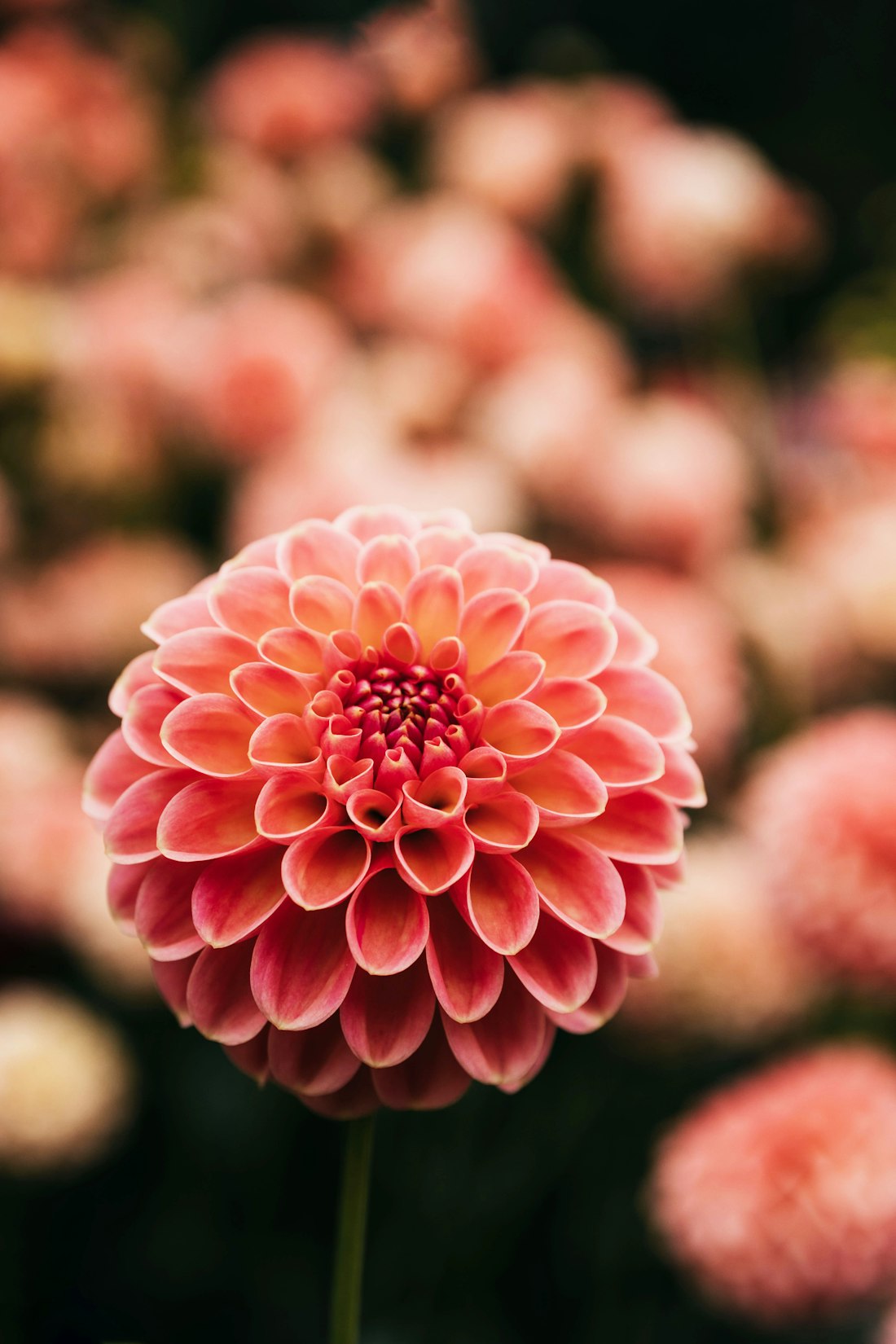
Dahlias vary in height and flower form, so a compact border plant and a tall cutting cultivar are different support decisions. RHS growing guidance describes their care and notes the need for additional water during hot, dry weather. Read the label before choosing a site and support. Draw the full growing footprint rather than arranging pots by their nursery size. Keep access for tending the plant as part of that footprint, not as leftover space.
Prepare an accessible arrangement
Choose suitable supports and install them at the appropriate stage without damaging the plant. Leave a route for tying, inspecting and removing finished blooms. A dahlia at the back of a crowded border may be difficult to reach precisely when a heavy stem needs attention. Consider whether the support can be adjusted as growth develops and whether you can work around it without stepping into neighboring crowns. Practical access contributes directly to a display you can maintain.
Write the end-of-season plan now
Check how the identified plant should be overwintered in your climate and soil. The RHS’s UK advice cannot be transferred unchanged to every region. Decide where labels, tubers or retained planting positions will be recorded if storage or protection is needed. Photograph flowers beside their labels so identification remains reliable later. A dahlia project is easier when support, summer care and winter decisions are understood as connected parts of ownership rather than unrelated surprises.
This article combines general educational guidance with original planning exercises. It does not claim first-hand field testing or an endorsement from the linked organization. Sources checked October 2026.