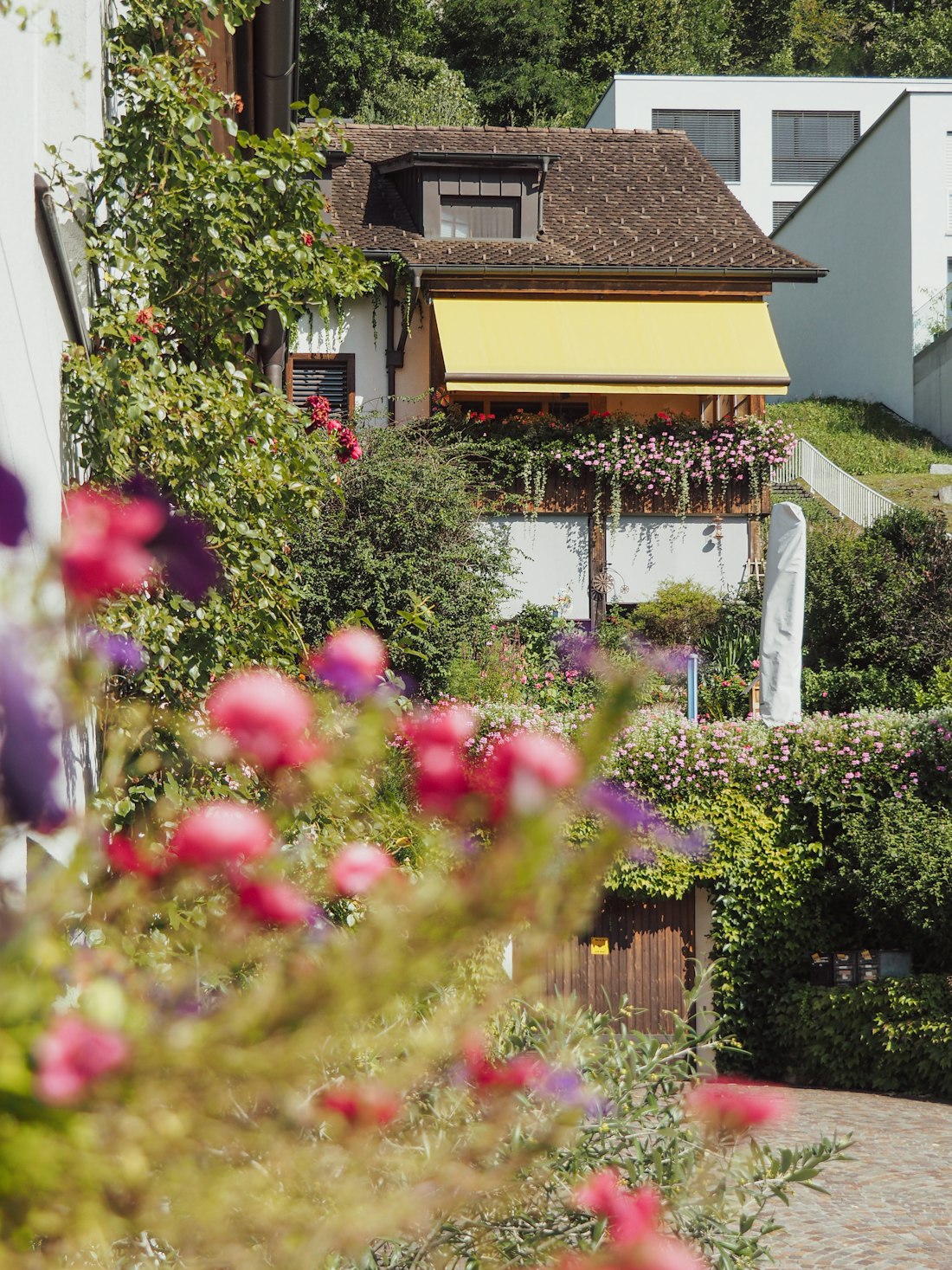
Sort the evidence before making a wish list
Gather photographs and notes from the actual 2025 season if you have them. If you do not, begin the record now rather than inventing details. Arrange dated pictures by location and time. A collection of close-up flowers is pleasant to browse, but wider views are more useful for understanding space and gaps.
Look for repeated friction
Write down the jobs you consistently postponed and the places that were difficult to reach. Note plants that required support or attention you could not provide. A garden plan should fit your available time as well as the available ground. Separate a maintenance difficulty from a plant-health problem that needs proper identification.
Choose three changes
Limit the first revision to a small set of decisions. One could improve access, one could simplify maintenance and one could address a flowering gap. State the reason for each change and what you will observe next season. Avoid using a single disappointing photograph as the basis for removing everything in a bed.
Keep a stop-doing list
Some of the best improvements come from reducing activity. Stop buying plants without a confirmed position. Stop applying a calendar from another region without adapting it. Stop expecting one tidy winter image to describe a whole living garden. Review the new plan at a sensible point in the season and preserve what already works.
This article combines general educational guidance with original planning exercises. It does not claim first-hand field testing or an endorsement from the linked organization. Sources checked October 2026.